

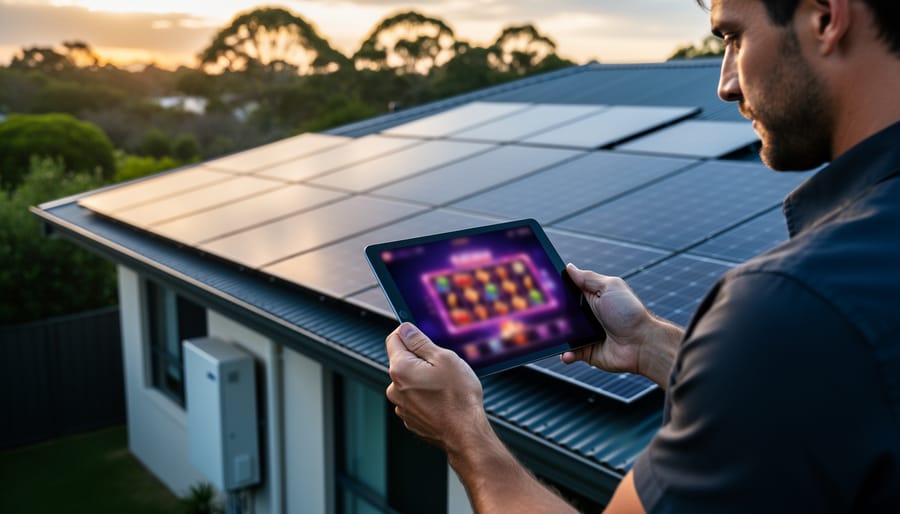
You can cut your online gaming energy use by up to 70% through device choice, timing, and renewable energy, making every spin and hand more environmentally sound without sacrificing enjoyment. Whether you gamble at moonbet.co or other platforms, the electricity your gaming consumes adds up quickly, but Australian solar households and energy-conscious players now have clear paths to reduce that footprint while keeping costs down.
The shift matters more than many realise. A typical gaming session on a desktop computer draws 300-500 watts per hour, while the same experience on a modern tablet uses just 10-15 watts. Over a year of regular play, that difference translates to hundreds of kilowatt-hours and significant dollars on your electricity bill. For households with solar systems, the opportunity runs deeper: gaming during peak solar generation hours means you’re drawing clean, self-generated power instead of grid electricity.
Australian installers we’ve spoken with report growing interest from clients who want to align discretionary energy use with their solar production windows. Time-of-use tariffs across most of the country now penalise evening consumption heavily, the exact hours when many players log on. This guide walks through the practical steps to match your gaming habits with cheaper, cleaner energy, starting with the devices and settings that deliver the biggest savings.
The approach works whether you’re running a full solar array or simply want to trim your bills. You’ll learn which hardware choices matter most, how to schedule play around renewable generation, and how to verify your actual consumption so you’re making decisions based on real data, not guesswork.
What You Need to Get Started
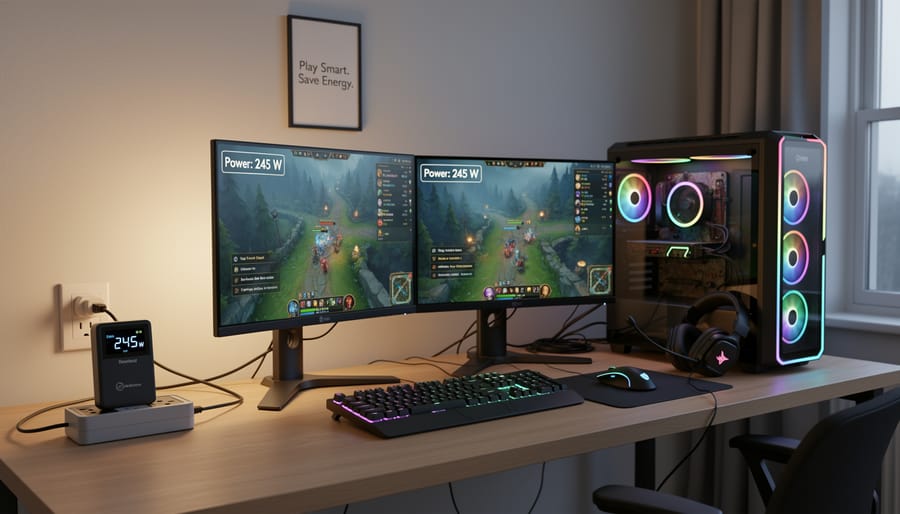
Before you start making changes to how you play online casinos, you need to understand what you’re working with and what tools will help you track your progress. The good news is that most Australians already own everything required to begin reducing energy consumption during gaming sessions.
Your gaming device forms the foundation of this process. Whether you use a desktop computer, laptop, smartphone or tablet, check that your operating system is up to date. Modern devices from the past five years typically include built-in energy management features that older models lack. You don’t need the latest flagship phone or a high-end gaming computer, but devices running current operating systems (Windows 10 or later, iOS 15 or later, Android 11 or later) give you better control over power consumption. Older devices can still work, though they may consume more energy overall and offer fewer optimization options.
To implement and verify energy-saving strategies effectively, gather these essential items:
- Energy monitoring device or smartphone app (such as a smart plug with power tracking, or apps like Powershop or Energy Australia’s usage monitors)
- A device with functional energy-saving features and settings access
- Stable internet connection that doesn’t require constant reconnection attempts
- Basic familiarity with your device’s power settings menu
Your internet connection matters more than you might expect. Unstable connections force your device to work harder, constantly reconnecting and reloading game data. A consistent NBN connection or reliable mobile data prevents this wasted energy. You don’t need the fastest speed tier, just stability.
Finally, spend fifteen minutes locating your device’s power management settings before your next gaming session. Knowing where to find brightness controls, sleep timers and battery optimization features means you can adjust them quickly rather than fumbling through menus while a game loads. This preparation saves both time and the energy wasted during those initial setup attempts.
Important Safety and Responsible Gaming Warnings
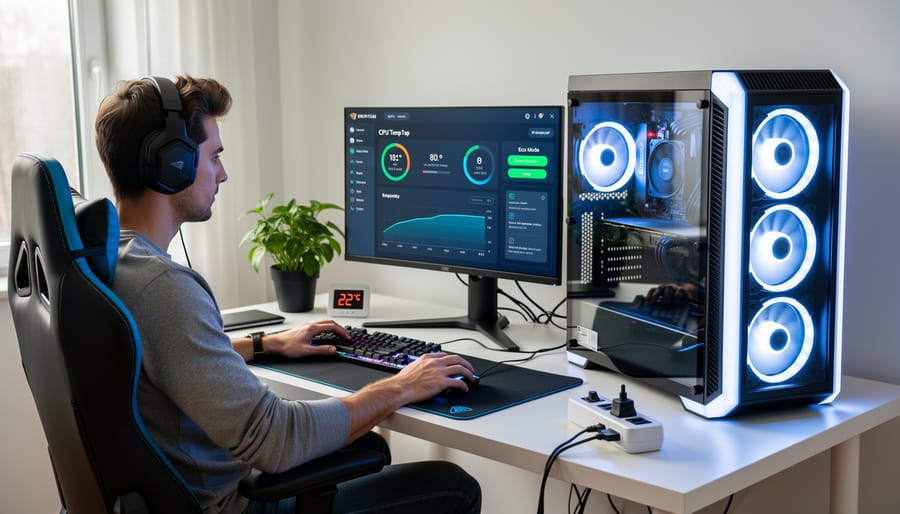
Before you adjust any settings or change how you play, let’s cover the warnings that matter most. Energy savings should never come at the cost of your safety, your device’s health, or your responsible gaming practices.
Start with responsible gambling boundaries. Set your time and money limits before you think about energy efficiency. These limits exist to protect you, and no amount of energy savings justifies extending your gaming session beyond what you’ve predetermined. If you’re using responsible gaming tools provided by online casinos, deposit limits, session timers, self-exclusion options, keep them active. Don’t disable them in pursuit of a lower power bill.
When you adjust device settings, your computer or phone still needs proper cooling. Reducing screen brightness is fine, but never disable fans, block vents, or force your device into power-saving modes that cause overheating. A damaged device costs far more than any electricity you might save. Similarly, don’t attempt hardware modifications that void warranties. Stick to software settings you can easily reverse.
Your internet security can’t be compromised either. If dimming your screen makes it harder to spot suspicious activity or phishing attempts, adjust to a level where you can still see clearly. Some power-saving modes might disconnect VPNs or security software, verify these protections stay active before you game.
Finally, if a particular energy-saving step makes gaming less enjoyable or creates stress, skip it. The whole point is balancing efficiency with responsible enjoyment, not creating new problems while solving old ones.
Step-by-Step Process to Reduce Energy While Playing
Step 1: Optimize Your Device Settings
Start with your device’s display. Screen brightness eats more power than almost any other setting during online casino play. Drop brightness to 50 per cent or lower if your room lighting allows, you’ll barely notice the difference in game quality, but your device will. Most smartphones and tablets offer adaptive brightness; turn it off and set a fixed level instead, because constant sensor adjustments waste energy.
Next, activate your device’s built-in power-saving mode. On Windows laptops, switch to “Power Saver” or “Battery Saver” mode through the system tray. Mac users should enable “Low Power Mode” in System Preferences. Android and iOS devices have equivalent settings under Battery options. These modes throttle processor speed slightly and dim the screen further, but online casino games rarely need full processing power, they’re less demanding than video streaming or photo editing.
Close everything you’re not using. Email clients, cloud sync apps, music streaming and social media all drain energy in the background while you play. On Windows, press Ctrl+Shift+Esc to open Task Manager and end unnecessary processes. Mac users can check Activity Monitor. Mobile players should swipe away background apps before launching their casino session. Think of it like switching off lights in unused rooms, just as sensible as installing a solar attic fan to reduce cooling costs at home.
Finally, configure sleep settings properly. Set your device to sleep after five minutes of inactivity, so if you step away mid-session, you’re not burning power needlessly.
Step 2: Choose Energy-Efficient Gaming Times
When you play matters as much as how you play. Most Australian households now face time-of-use tariffs set rates that vary throughout the day, typically with peak periods from 2pm to 8pm on weekdays when electricity costs two to three times more than off-peak hours. Schedule your gaming sessions for after 9pm or before 2pm to avoid these premium rates.
Data centres that host online casino servers also consume less energy during off-peak periods when cooling demands are lower and grid electricity relies more heavily on baseload renewable generation. Late evening and early morning sessions typically align with lower overall grid demand across eastern Australia.
For homes with solar panels, the sweet spot is mid-morning to early afternoon, roughly 10am to 2pm, when your system generates peak power. This transforms your gaming into genuinely zero-cost, zero-emissions entertainment. Check your solar inverter app before logging in; if you’re generating 2-3 kilowatts above your household’s baseline consumption, that excess capacity can power your gaming device without drawing from the grid.
Set recurring calendar reminders for your preferred low-impact gaming windows. This simple habit aligns your entertainment with both your wallet and Australia’s renewable energy patterns.
Step 3: Select Lower-Impact Games and Platforms
Not all online casino games demand the same energy from your device or the data centres serving them. Live dealer games that stream high-definition video consume substantially more data and processing power than traditional slot games or table games with static graphics. A single hour of live blackjack can use 3GB of data and keep your device’s processor working hard, while classic slots might use less than 100MB over the same period.
Mobile apps generally run more efficiently than browser-based play because they’re optimized for your specific device. Apps cache graphics and game elements locally, reducing repeated downloads and data transfer. If you’re playing on a phone or tablet, download the casino’s native app rather than playing through Safari or Chrome.
When selecting games, look for those with simpler graphics and fewer animated elements. Classic three-reel slots and standard table games like blackjack or roulette consume less energy than elaborate video slots with multiple bonus rounds, 3D animations, and complex sound effects. This doesn’t mean avoiding your favourite games entirely, just be aware that graphically intensive titles carry a higher energy cost.
Some online casinos now publish sustainability reports or renewable energy commitments. Operators using green-powered data centres or carbon offset programs reduce the environmental impact of your gaming sessions. Check the casino’s “About Us” or corporate responsibility pages for this information.
Step 4: Manage Session Length and Device Usage
Setting time limits serves both responsible gambling and energy conservation, when you cap your gaming sessions, you’re protecting your wellbeing and reducing electricity consumption simultaneously. Start by deciding your maximum session length before you begin playing, typically 60-90 minutes for most recreational players. Set a phone alarm or use your casino’s built-in session timers to enforce this boundary.
Take a 15-minute break after each hour of play. This pause lets your device cool down (especially crucial for laptops and tablets), prevents heat-related performance throttling that actually increases energy use, and gives you perspective on your gambling activity. During breaks, close the casino app or browser completely rather than leaving it running, streaming animations and live dealer feeds consume power even when you’re not actively playing.
Avoid marathon overnight sessions that keep devices in partial sleep states for hours. All-night gaming drains energy through both active play and prolonged standby periods where your device maintains network connections and background processes. If you’re finished for the day, perform a complete shutdown rather than leaving your computer in sleep mode. The few watts consumed during overnight sleep add up across weeks and months.
Australian households using time-of-use electricity tariffs pay premium rates during evening peak periods (typically 4pm-9pm). Gaming during these hours costs more and stresses the grid when demand is highest.
Step 5: Power Your Gaming with Solar Energy
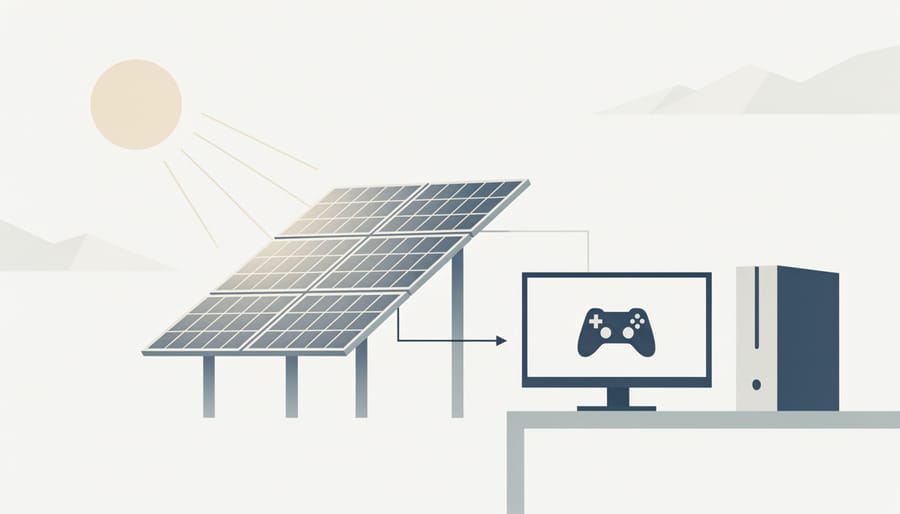
If you have solar panels on your roof, timing your online casino sessions between 10am and 3pm lets you game on free sunlight rather than grid power. This window captures peak solar generation when your system produces the most electricity, making it the ideal time for energy-intensive activities.
Before scheduling your gaming around solar production, you need to know whether your system can handle the load. A typical gaming laptop draws 60-100 watts, while a desktop setup might use 150-300 watts depending on the graphics card. Most residential solar systems in Australia range from 3kW to 10kW capacity, meaning even a power-hungry gaming rig represents a small fraction of what your panels generate on a sunny day. Use a solar panels calculator to understand your system’s output potential.
Local installers report that gaming loads barely register on properly sized systems. The real win comes from self-consumption, using the solar energy you generate instead of exporting it to the grid for minimal feed-in tariff credits. Check your inverter app or monitoring system before you start playing to confirm strong solar generation, then enjoy your session knowing you’re running on sunshine rather than coal-fired electricity.
How to Verify Your Energy Savings
Checking whether your energy-saving efforts are paying off requires tracking actual consumption over time, not just guessing. Start with your smart meter data if you have access through your electricity retailer’s app or website, which most Australian households do. Compare your kilowatt-hour usage during gaming sessions before and after implementing the strategies from earlier sections. Look at the same time periods, ideally across several weeks to account for variations in how much you play.
Power monitoring apps or plug-in devices give you real-time feedback on what your gaming setup consumes. These range from simple plug monitors costing around $30 to smart plugs with app integration that show hourly patterns. Track your computer or device consumption during a typical gaming session, then measure again after optimizing settings and changing your habits. The difference tells you exactly what those adjustments achieved.
Your electricity bill provides the broadest view, though it lags by weeks. Compare bills from similar months, adjusting for seasonal differences and overall household usage. If you game regularly, a 5-10% reduction in total household consumption is realistic when you’ve optimized devices and shifted to off-peak or solar hours. Device battery life serves as another indicator: if your phone or tablet lasts noticeably longer between charges after adjusting brightness and closing background apps, you’re consuming less power per session.
If savings aren’t showing up after a month, revisit which steps you’ve actually implemented consistently. Many players adjust settings once but drift back to old habits. Check whether you’re still gaming during peak tariff periods or leaving devices in standby overnight. Sometimes the issue is measurement rather than results; ensure you’re comparing equivalent time periods and accounting for other household changes. Tighten up one or two high-impact steps like solar-hour gaming or device shutdown rather than abandoning the whole approach.
The Bigger Picture: Online Casinos and Energy Responsibility
Your individual efforts to reduce energy consumption during online casino play sit within a much larger industry shift toward sustainability. Major online casino operators have started addressing their environmental impact through concrete initiatives. Several platforms now run their data centres on renewable energy contracts, with some European operators achieving 100% renewable electricity for their server infrastructure. Others purchase carbon offsets to neutralize emissions from their operations, though these programs vary widely in quality and transparency.
What should Australian players look for in energy-responsible operators? Check whether a casino publicly reports its energy sources or carbon footprint. Look for partnerships with renewable energy providers or certifications from recognized environmental standards organizations. Some platforms now display their sustainability commitments on their websites, making it easier to choose operators that align with your values.
The broader trend mirrors what’s happening across Australian households considering the advantages of solar for their own energy needs. Just as homeowners can power their gaming sessions with rooftop panels, data centres can run on large-scale renewable installations. Your choice to play during solar hours or select energy-conscious operators sends a market signal that players care about environmental responsibility. Combined with the industry’s growing investment in efficient cooling systems and server optimization, these individual actions contribute to measurable reductions in the carbon footprint of online gaming.
Common Questions About Energy-Efficient Online Gaming
Does online casino play use a lot of electricity?
A typical gaming session uses 50-150 watts per hour depending on your device, which costs roughly 1-4 cents per hour at average Australian electricity rates. While not massive, regular players who game several hours daily can see it add up to $5-15 monthly on their power bill.
Can I game on solar power?
Absolutely. Most Australian solar systems generate enough daytime power to cover gaming loads easily, and scheduling your play between 10am-3pm means you’re using self-generated renewable energy rather than grid electricity. Homes targeting 100% renewable energy can enjoy guilt-free gaming during peak solar hours.
Will energy-saving modes affect game performance?
Not noticeably for most online casino games. Reducing screen brightness and closing background apps won’t impact gameplay, though extremely aggressive power-saving settings might cause minor lag on older devices during graphics-heavy slots.
Do mobile or desktop games use more energy?
Desktops typically consume 3-5 times more power than smartphones or tablets for the same gaming session. If energy efficiency is your priority, mobile gaming is the clear winner, though laptops offer a middle ground between performance and power consumption.
Beyond these common queries, players often wonder whether their efforts make a real difference. They do. Even modest changes like dimming your screen, choosing off-peak hours, and closing unused apps can cut your gaming energy consumption by 20-30%. Combined with solar power during daylight sessions, you’re looking at near-zero environmental impact for your entertainment. The key is consistency rather than perfection, implementing what works for your routine and device setup without letting energy concerns undermine responsible gaming limits or enjoyment.
Energy-efficient online casino play isn’t about perfection, it’s about making smarter choices that align with both your values and your entertainment. By adjusting your device settings, timing your sessions strategically, and choosing your games thoughtfully, you reduce energy waste while maintaining the responsible gambling practices that protect your wellbeing.
For Australian players, solar power transforms this equation entirely. When your gaming runs on sunshine rather than grid electricity, you genuinely eliminate the environmental guilt while slashing ongoing costs. If upfront investment concerns hold you back, explore solar loan options that spread the cost while you immediately benefit from lower bills and cleaner energy.
Start with one or two changes this week, maybe adjusting your screen brightness and scheduling sessions during daylight hours. Track your electricity use over the next billing cycle. Small shifts accumulate into meaningful savings, both for your household budget and the broader grid demand across Australia. Every megawatt-hour we don’t waste matters, and your gaming habits are part of that larger story.